Is Six Sigma Still Relevant in 2026?

Is Six Sigma still relevant in 2026 AI process improvement diagramWith the rapid growth of artificial intelligence, automation, and digital transformation, many professionals and organizations are asking an important question:

Is Six Sigma still relevant in 2026?

The short answer is yes, perhaps more than ever.

While technology continues to evolve, organizations still rely on processes to deliver consistent results. Whether in manufacturing, healthcare, finance, logistics, or service operations, poorly designed processes lead to inefficiency, delays, quality issues, and unnecessary costs.

Six Sigma provides a structured methodology for understanding how processes work, identifying sources of variation, and improving performance through data-driven analysis.

As companies adopt AI and advanced technologies, the ability to analyze processes and solve root causes of problems has become even more valuable.
Why Six Sigma Is Still Relevant in 2026

Despite rapid technological advancements, organizations continue to face operational challenges such as inefficiencies, inconsistent performance, and quality problems.

Six Sigma remains relevant because it focuses on improving the systems that produce results.

Professionals trained in Six Sigma understand how to:

  • analyze process performance
  • identify sources of variation
  • solve root causes of recurring problems
  • reduce defects and rework
  • improve efficiency and productivity

Organizations that apply structured improvement methodologies often experience measurable benefits such as reduced costs, improved customer satisfaction, and stronger operational performance.

For this reason, many companies continue to invest in Lean Six Sigma and operational excellence programs.

Six Sigma and AI: How They Work Together

Some professionals assume that AI and automation will replace traditional process improvement methods.

In reality, Six Sigma and AI are highly complementary.

AI tools can analyze large volumes of data quickly and identify patterns or anomalies within processes. However, interpreting that data and translating it into meaningful operational improvements still requires structured problem-solving methods.

Six Sigma provides that framework.

Organizations often use Six Sigma to:

  • determine which processes should be automated
  • validate AI-generated insights
  • identify root causes of performance issues
  • improve systems after automation is implemented

Rather than replacing Six Sigma, AI is increasingly enhancing its capabilities by accelerating data analysis and decision-making.

AI Six Sigma Process Improvement Optimization

HOW SIX SIGMA FITS IN MODERN OPERATIONS

Six Sigma and AI serve different but complementary roles within modern organizations.

While AI focuses on speed and data processing, Six Sigma ensures that the underlying processes are efficient, stable, and well understood.

Function
Six Sigma
AI / Automation
Purpose
Improve processes
Scale processes
Focus
Root cause analysis
Pattern detection
Strength
Structured problem-solving
Speed and data processing
Risk if misused
Slow improvement
Scaled inefficiency

Organizations that combine both are better positioned to improve performance while avoiding the risk of accelerating flawed systems.

BEFORE AND AFTER AI: WHY SIX SIGMA MATTERS MORE

As organizations adopt AI and automation, the difference between strong and weak processes becomes more visible.

Scenario
Without Six Sigma
With Six Sigma
Automation
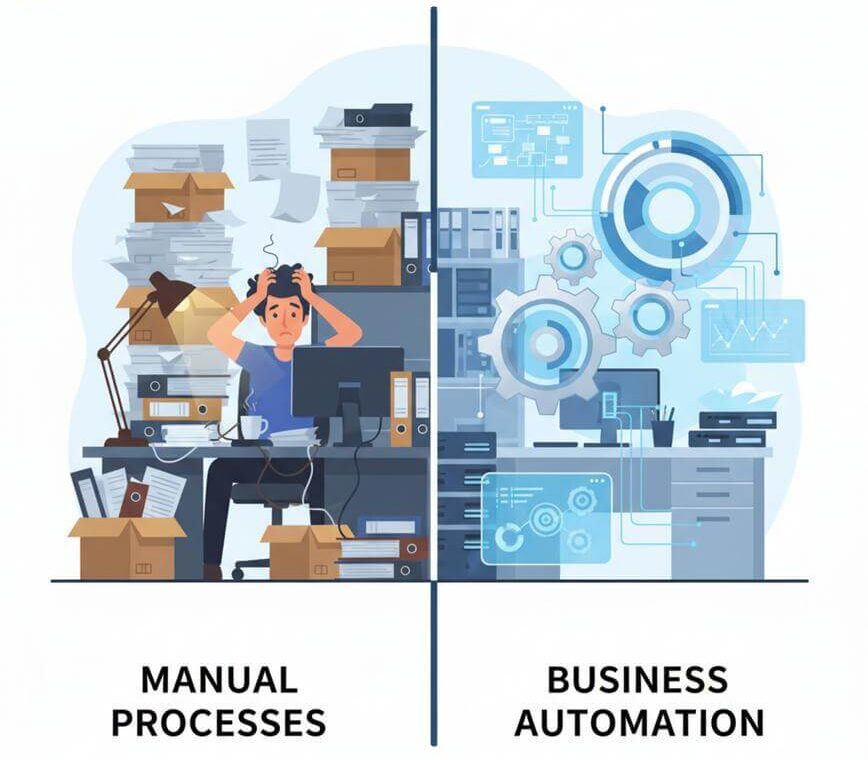
Automates broken processes
Automates optimized processes
Data
Generates reports
Drives decisions
Outcomes
Scales inefficiency
Scales performance
Decision-making
Reactive
Structured and proactive

AI increases speed, but Six Sigma provides direction.

Without process clarity, faster systems simply produce faster problems. With a structured approach, organizations can scale performance in a controlled and sustainable way.

Industries Still Using Lean Six Sigma

Six Sigma originated in manufacturing, but it has expanded far beyond its original applications.

Today, organizations across many industries use Lean Six Sigma to improve operations.

Common industries include:

Manufacturing

Six Sigma is widely used to reduce defects, improve production quality, and optimize manufacturing processes.

Six Sigma in Manufacturing

Healthcare

Hospitals and healthcare systems apply Six Sigma to improve patient safety, reduce medical errors, and streamline care delivery processes.

Six Sigma in Healthcare

Finance and Banking

Financial institutions use Six Sigma to improve compliance processes, reduce transaction errors, and enhance operational efficiency.

Six Sigma in Finance & Banking

Logistics and Supply Chain

Lean Six Sigma helps organizations optimize inventory management, reduce delays, and improve supply chain reliability.

Six Sigma in Logistics & Supply Chain

Technology and Service Industries

Service organizations apply Six Sigma to improve customer experience, streamline workflows, and increase service quality.

Six Sigma in IT & Technology

Because the methodology focuses on improving systems, it remains applicable in almost every industry.

HOW COMPANIES ARE USING SIX SIGMA IN 2026

In 2026, organizations are not replacing Six Sigma. They are integrating it with modern technologies to improve performance at scale.

Common approaches include:

  • combining Six Sigma with AI to identify and prioritize improvement opportunities
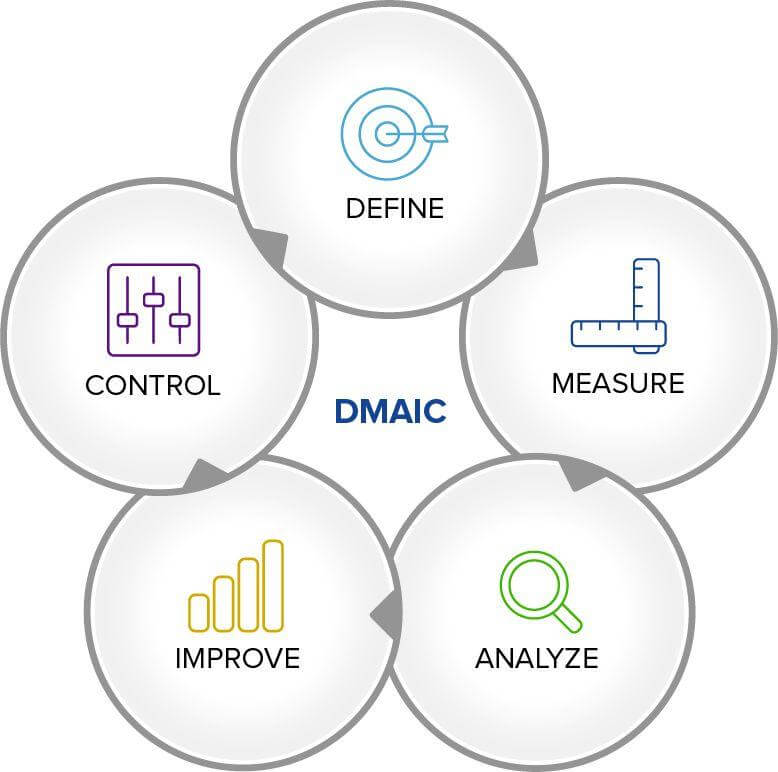
  • using DMAIC to evaluate and validate automation initiatives
  • applying Lean principles to simplify processes before digital transformation
  • improving data quality and process visibility before implementing advanced tools
  • training teams in structured problem-solving alongside new technologies

Companies that take this approach are more likely to achieve measurable, sustainable results rather than short-term gains.

DMAIC

Career Benefits of Six Sigma Certification

Six Sigma certification continues to provide significant professional advantages.

Professionals with Six Sigma training are often valued for their ability to solve complex operational problems and improve organizational performance.

Common career benefits include:

  • stronger analytical and problem-solving skills
  • increased employability across industries
  • opportunities to lead improvement initiatives
  • higher earning potential
  • leadership development in operational roles

Organizations frequently rely on certified professionals to lead process improvement projects and drive operational excellence initiatives.

Six Sigma Certification Belts
Is Getting a Six Sigma Certification Worth It?

Common Myths About Six Sigma in 2026

Although Six Sigma remains widely used, several misconceptions persist.

Myth: Six Sigma is outdated

Reality: Six Sigma has evolved alongside modern technologies and remains highly relevant for improving complex processes.

Myth: Six Sigma only applies to manufacturing

Reality: The methodology is used in healthcare, finance, logistics, technology, and service industries.

Myth: AI will replace Six Sigma

Reality: AI can enhance data analysis, but structured problem-solving frameworks like Six Sigma are still needed to interpret results and improve systems.

NOT ALL SIX SIGMA CERTIFICATIONS ARE THE SAME

Not all Six Sigma training programs provide the same level of depth or practical value.

Some certifications focus on:

  • short, overview-based training
  • generic or unnamed instructors
  • minimal real-world application

Others are designed to provide:

  • structured, step-by-step learning
  • expert-led instruction
  • practical tools and real-world examples
  • a deeper understanding of how to apply concepts in real situations

The depth of training directly impacts how effectively professionals can use Six Sigma in their careers.

Choosing a program that emphasizes real-world application can make a significant difference in both learning outcomes and long-term value.

See our guide to the Best Six Sigma Certification options.

Is Six Sigma Certification Still Worth It?

Yes.

Six Sigma certification continues to provide valuable skills that help professionals analyze data, improve processes, and solve operational problems.

Organizations increasingly seek employees who can combine analytical thinking, process improvement, and data-driven decision making.

As businesses adopt automation, AI, and digital transformation strategies, professionals who understand how systems operate and how to improve them remain essential.

Six Sigma certification provides a foundation for developing those capabilities. Check out our full guide on is six sigma certification worth it?

WHO SHOULD LEARN SIX SIGMA IN 2026?

Six Sigma is valuable for a wide range of professionals, especially those involved in improving processes, performance, and decision-making.

It is particularly relevant for:

  • professionals working in operations, quality, or process improvement
  • project managers and business analysts
  • leaders responsible for efficiency and performance
  • individuals working with data, automation, or AI-driven systems
  • anyone looking to develop structured problem-solving skills

As organizations continue to prioritize efficiency and data-driven decision-making, these skills remain highly applicable across industries. Learn more about Six Sigma job roles and salaries.

THE FUTURE OF SIX SIGMA IN 2026 AND BEYOND

Six Sigma remains highly relevant in 2026 because organizations still depend on well-designed processes to deliver consistent results.

While technologies such as AI and automation are transforming how businesses operate, they do not eliminate the need for structured problem solving and process improvement.

Professionals who understand Six Sigma methodologies are well positioned to help organizations improve efficiency, reduce costs, and drive operational excellence.

As industries continue to evolve, the ability to analyze systems and implement measurable improvements will remain a valuable and in-demand skill.

For additional insights, see our LinkedIn article discussing whether Six Sigma remains relevant in 2026.

START BUILDING SIX SIGMA SKILLS

If you’re considering Six Sigma certification, the most important factor is choosing a program that provides real, applicable skills.

Look for training that goes beyond theory and focuses on how to apply concepts to real-world problems.

Developing strong process improvement skills can help you stand out professionally and contribute meaningful results within your organization.

Many professionals begin with Green Belt certification and later advance to Black Belt certification.

Frequently Asked Questions

Is Six Sigma still relevant in 2026?

Yes, Six Sigma is still highly relevant in 2026. Organizations continue to rely on structured problem-solving, data analysis, and process improvement to reduce costs, improve quality, and increase efficiency. With the rise of AI and automation, Six Sigma is becoming even more valuable because it provides the foundation needed to optimize and scale processes effectively.

Is Six Sigma being replaced by AI?

No, Six Sigma is not being replaced by AI. AI enhances and accelerates processes, but it does not replace the need for structured problem-solving. In fact, Six Sigma helps ensure that processes are stable and well-defined before automation, making AI implementations more successful.

Do companies still use Six Sigma today?

Yes, companies across industries such as manufacturing, healthcare, finance, and technology continue to use Six Sigma. It is widely applied to improve processes, reduce variation, and drive operational excellence in both traditional and modern business environments.

Is Six Sigma worth learning in 2026?

Yes, Six Sigma is worth learning in 2026. The skills it develops, including data analysis, root cause analysis, and process improvement, are highly transferable and in demand across industries. These capabilities are especially valuable as organizations focus on efficiency and data-driven decision-making.

What industries still use Six Sigma?

Six Sigma is used in many industries, including manufacturing, healthcare, logistics, finance, technology, and government. Any organization that relies on processes can benefit from Six Sigma methods to improve performance and reduce inefficiencies.

Does Six Sigma help with AI and automation

Yes, Six Sigma plays an important role in AI and automation initiatives. It helps organizations define processes, reduce variability, and identify root causes before implementing technology. This ensures that automation improves performance rather than scaling existing problems.

What is more important: Six Sigma or AI skills?

Both are important, but they serve different purposes. Six Sigma provides the foundation for understanding and improving processes, while AI enhances and automates those processes. Professionals who understand both are especially valuable because they can design and optimize systems effectively.

Is Lean Six Sigma outdated?

No, Lean Six Sigma is not outdated. While tools and technologies evolve, the core principles of reducing waste, improving quality, and using data to make decisions remain essential in modern organizations.

Why do companies still invest in Six Sigma training?

Companies invest in Six Sigma training because it helps employees improve efficiency, reduce costs, and solve complex problems. These outcomes directly impact profitability and operational performance, making Six Sigma a valuable long-term investment.

Can Six Sigma be used outside of manufacturing?

Yes, Six Sigma is widely used outside of manufacturing. It is applied in service industries, healthcare, finance, IT, and government to improve workflows, enhance customer experience, and optimize business processes.