
Lean Six Sigma in Food & Beverage: Quality, Safety & Process Improvement
The Food & Beverage industry runs on precision, consistency, and safety. Small variations in processes can lead to major issues: waste, contamination risks, recalls, downtime, costly rework, and customer dissatisfaction.
Lean Six Sigma gives Food & Beverage teams a structured, data-driven way to improve quality, reduce defects, standardize work, and create more predictable and efficient operations across production, packaging, quality assurance, distribution, and service environments.
Whether you’re in food manufacturing, beverage production, hospitality, food service, CPG, or packaging, Lean Six Sigma helps ensure your processes are safe, efficient, and reliable.
WHY LEAN SIX SIGMA MATTERS IN FOOD & BEVERAGE
Food & Beverage operations rely on consistency, safety, and speed. Lean Six Sigma helps organizations improve performance across three critical areas:
1. Product Quality & Safety
• Improve batch consistency
• Reduce defects, variation, and scrap
• Strengthen HACCP, FDA, SQF, and BRC compliance
• Prevent contamination risks and near-miss events
2. Operational Efficiency
• Increase throughput and line efficiency
• Reduce downtime and eliminate bottlenecks
• Improve cold-chain reliability and temperature control
• Enhance packaging and labeling accuracy
3. Customer & Employee Performance
• Reduce customer complaints and returns
• Improve SOP adherence and employee performance
• Build predictable, repeatable processes across facilities
Lean Six Sigma shifts teams away from firefighting and toward root-cause, data-driven improvement.
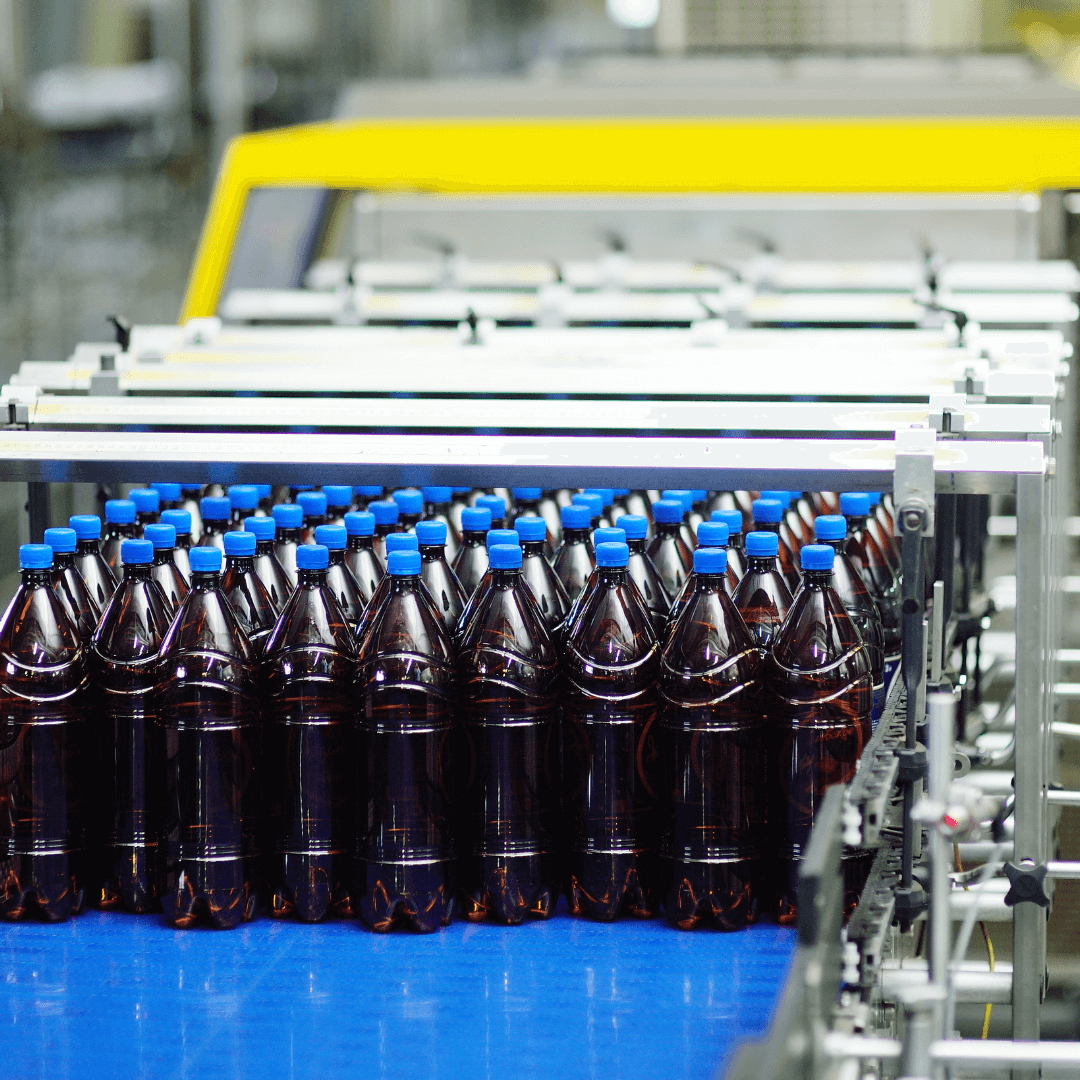

Common challenges in food & beverage operations
Food & Beverage has operational challenges that Lean Six Sigma is perfectly designed to address:
High scrap rates and yield loss
Batch and product variation
Overfill or underfill issues (weight accuracy)
Packaging defects and labeling errors
Inconsistent sanitation and changeover times
Frequent equipment stoppages or downtime
Customer complaints from quality deviations
Inefficiencies during peak or seasonal production
Line balancing issues and poor workflow
Supply chain variability impacting production
These challenges directly impact cost, quality, safety, production schedules, and customer trust.
How Lean Six Sigma Solves These Issues
Lean Six Sigma provides structured tools that directly improve Food & Beverage operations:
DMAIC
DMAIC to eliminate variation and improve yield
SPC (Statistical Process Control)
SPC (Statistical Process Control) to stabilize fill weights and packaging accuracy
Value Stream Mapping
Value Stream Mapping to identify bottlenecks in production flow
5S and Standard Work
5S and Standard Work to improve sanitation, prep, and changeovers
Root Cause Analysis
Root Cause Analysis to reduce recurring complaints and defects
Waste Reduction
Waste Reduction to eliminate motion, waiting, rework, over-processing, and excess inventory
Mistake-Proofing (Poka-Yoke)
Mistake-proofing (Poka-Yoke) for labeling, sealing, and packaging
Kaizen Events
Kaizen events to accelerate improvements quickly
Process Capability Analysis
Process capability analysis to verify consistent quality and compliance standards
These methods work across plants, kitchens, packaging lines, distribution centers, and service environments.

Real Examples of Lean Six Sigma Projects in Food & Beverage
These real-world project examples show how Lean Six Sigma improves performance:
Reduced line changeover time from 90 minutes to 40 minutes
Improved fill-weight accuracy, reducing giveaway costs
Cut daily scrap by 22% through root-cause analysis
Improved first-pass yield from 86% to 95%
Reduced sanitation cycle time while maintaining compliance
Reduced customer complaints by 35% through process control
Decreased labeling defects across packaging lines
Improved packaging line throughput using bottleneck analysis
Improved equipment uptime using predictive root-cause tools
These are exactly the types of projects employers expect Lean Six Sigma practitioners to lead.
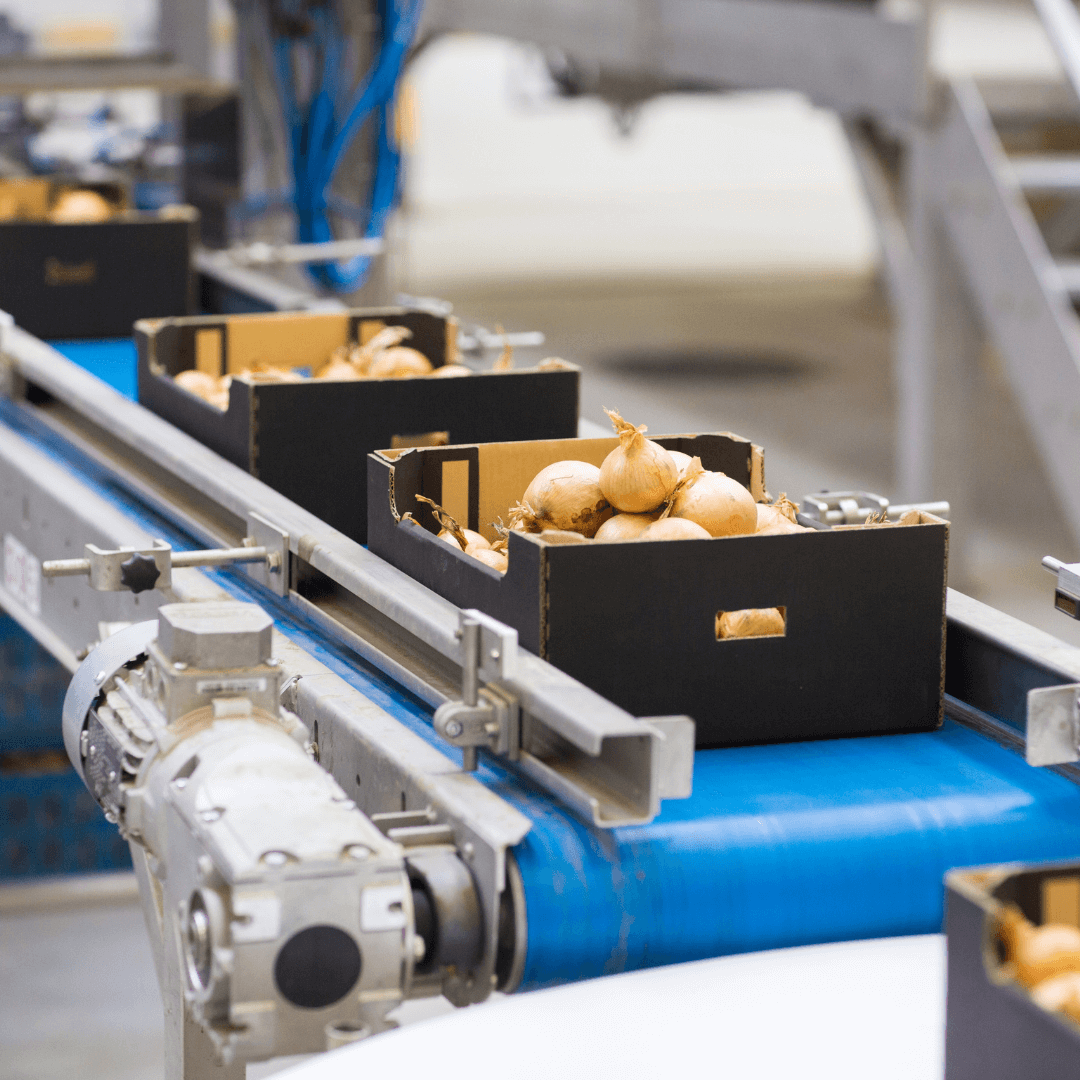
SSGI is trusted by leading food & beverage companies around the world.








Prof. Barry Shore PhD | SSGI Founder
Dr. Barry Shore | Expert Instructor
Dr. Barry Shore, a globally recognized expert in operations management, brings over 40 years of experience to Lean Six Sigma training. As a McGraw-Hill award-winning author and professor emeritus, his groundbreaking work has empowered professionals from Fortune 500 companies, government agencies, and leading organizations worldwide.
Industry Recognized Accreditations | Baldrige Foundation Partner | #1 in Process Improvement for Food & Beverage Companies

WHY FOOD & BEVERAGE COMPANIES CHOOSE SSGI
Industry-Trusted, Expert-Led Training
SSGI certification helps professionals gain skills that directly improve Food & Beverage operations.
Best Value for Industry-Leading Training
SSGI provides all-inclusive pricing with no surprise fees for exams, retakes, or certification renewals. Plus, our training is developed by Dr. Barry Shore, a McGraw-Hill award-winning professor.
Accredited by PMI, SHRM, and CPD
SSGI certifications meet the highest industry standards, ensuring global recognition for professionals info service. Also earn professional credits like PDUs and CEUs.
Trusted by leading food & beverage companies
Our clients include Coca-Cola, Nestle, Mission Foods, Mars Inc, along with numerous food & beverage companies worldwide. SSGI’s Lean Six Sigma certifications are trusted and recognized across the food service industry for developing leaders in quality and operational excellence.
Certifications That Never Expire
Once certified with SSGI, your credential lasts for life—no renewal fees, no expiration, and no hidden costs.
100,000+ Certified Professionals & $500M in Cost Savings
SSGI graduates have successfully led cost-cutting, process optimization, and efficiency-improving initiatives, generating over $500M in savings for organizations worldwide.
TOP REASONS TO GET LEAN SIX SIGMA CERTIFICATION IN FOOD & BEVERAGE
Increase Career & Salary Potential
Lean Six Sigma is one of the most valuable credentials in the Food & Beverage industry. Certified professionals, especially at the Green Belt and Black Belt levels, are trusted to reduce waste, improve product consistency, and strengthen food safety systems. Those who hold advanced certifications often step into roles with higher responsibility, better compensation, and stronger career mobility across production, quality, supply chain, and operations.
Improve Quality & Consistency
Food & Beverage brands depend on delivering the same product, every time.
Lean Six Sigma provides the tools to:
reduce variation in batches and formulations
identify root causes of quality issues
improve line stability and throughput
enhance packaging and labeling accuracy
This ensures quality is not just inspected in, it is built into every step of the production process.
Cut Cost & Reduce Waste
Scrap, rework, contamination issues, and bottlenecks are costly in Food & Beverage operations.
Lean Six Sigma helps teams:
eliminate waste in processing and packaging
reduce downtime and changeover inefficiencies
optimize material flow and resource use
improve yield and overall equipment effectiveness (OEE)
The result is higher output, lower costs, and more predictable performance.
Strengthen Food Safety & Regulatory Compliance
Few industries face as much regulatory pressure as Food & Beverage.
Lean Six Sigma supports:
HACCP, FDA, SQF, and BRC compliance
stronger preventive controls
reduced human error in critical control points
improved SOP adherence and audit readiness
Organizations that embed Six Sigma into their safety systems see fewer incidents and stronger risk mitigation.
Improve Customer Satisfaction & Brand Reputation
In Food & Beverage, inconsistency can damage trust instantly.
Lean Six Sigma helps organizations deliver:
consistent product quality
faster response to customer issues
fewer defects and complaints
a more reliable overall customer experience
Brands that invest in process excellence earn repeat business and long-term loyalty.
Drive a Stronger Culture of Leadership & Continuous Improvement
Lean Six Sigma develops leaders who make decisions based on data, not assumptions.
Certified professionals help create a culture where employees:
understand root causes
communicate issues early
follow standardized processes
embrace continuous improvement
This leads to stronger teamwork, safer operations, and long-term operational excellence.
Lean Six Sigma Roles & Job Titles in Food & Beverage
Lean Six Sigma is valuable across multiple levels of Food & Beverage operations:
Quality Assurance Specialist
Food Safety Supervisor
Production Supervisor
Process Improvement Engineer
Manufacturing Technician
Packaging Specialist
Plant Manager
Continuous Improvement Specialist
Sanitation Lead
Supply Chain Analyst
Operations Manager
Hospitality / Food Service Manager
Professionals in these roles benefit from Lean Six Sigma certification to improve processes and advance their careers.

Benefits of Lean Six Sigma for Food & Beverage Companies
Organizations that implement Lean Six Sigma achieve measurable results such as:
Stronger regulatory and food safety compliance
Lower operational costs and reduced waste
Higher production throughput and efficiency
Fewer quality deviations and customer complaints
Greater consistency across batches and shifts
Reduced sanitation and changeover time
More predictable production schedules
Improved employee adherence to SOPs
Reduced risk of contamination or recall events
Better audit readiness and performance
Improved customer satisfaction and loyalty
Lean Six Sigma builds a culture of continuous improvement that impacts every area of Food & Beverage operations.
💡 Looking for more clarity on how Lean Six Sigma impacts careers and operations? See our full guide on whether Six Sigma certification is worth it.
How Lean Six Sigma Works in Food & Beverage
Lean Six Sigma combines:
🔹 Lean, which improves flow, reduces waste, and streamlines steps
🔹 Six Sigma, which reduces defects and variation using data and statistics
Together, these methods help Food & Beverage teams:
Map current processes
Identify bottlenecks and inefficiencies
Use data to understand root causes
Redesign workflows for consistency and speed
Train employees on standard work
Measure before-and-after results
This structured approach improves quality and stability across production lines, prep areas, kitchens, and supply chain operations.

Training Options
Food & Beverage professionals typically start with:
🔹 Yellow Belt – foundational principles of Lean and Six Sigma
🔹 Green Belt – deeper tools, DMAIC, problem-solving, and leading improvement projects
🔹 Black Belt – advanced statistical analysis, leadership, and high-impact projects
Whether you’re in a plant, commercial kitchen, packaging facility, warehouse, distribution center, or service environment, these programs help you deliver real results.
Yellow Belt Training & Certification for Food & Beverage Professionals
Best for: Line operators, quality technicians, production associates, packaging teams, sanitation staff, and early-career professionals involved in day-to-day food and beverage operations.
Overview:
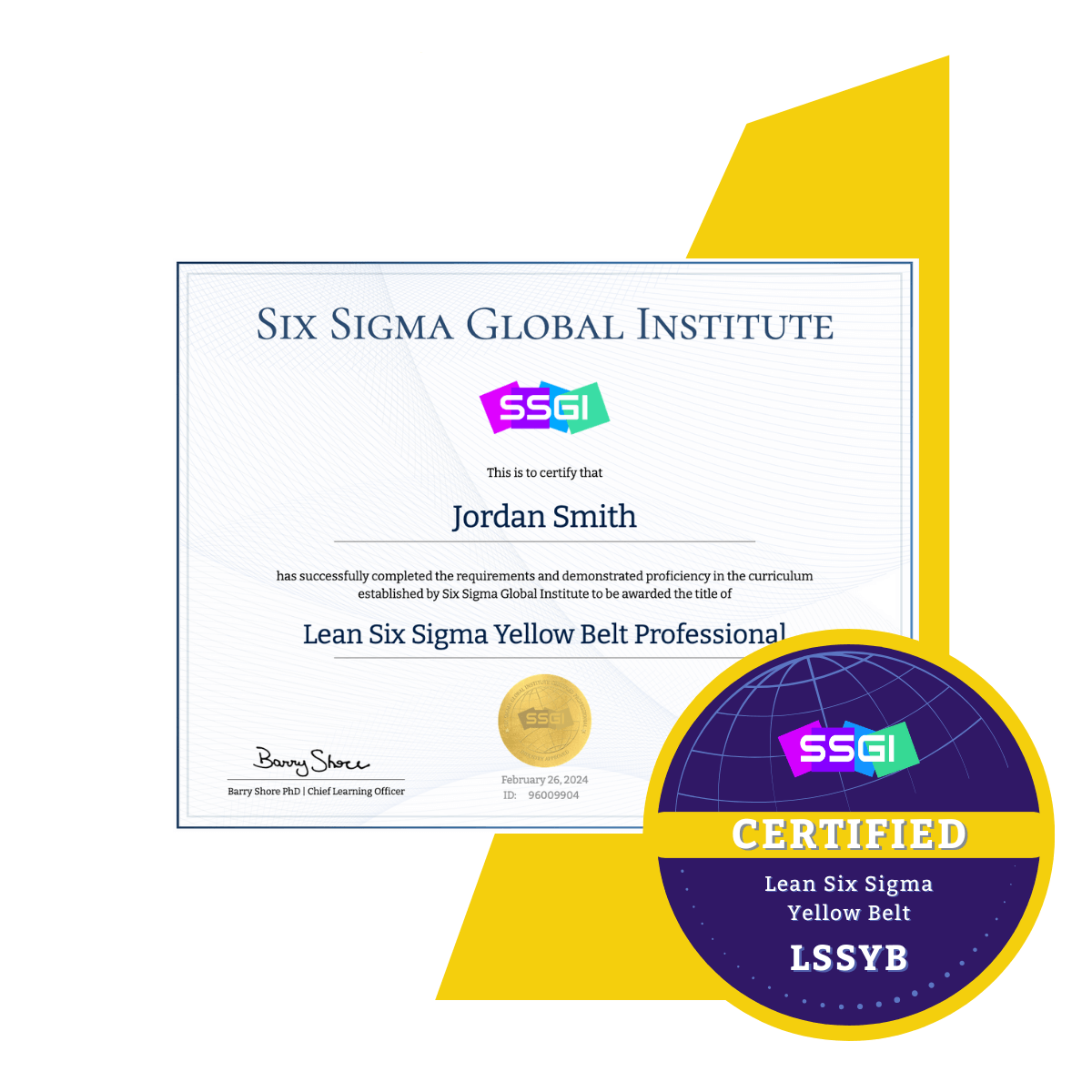
The Yellow Belt certification builds a strong understanding of Lean Six Sigma fundamentals and teaches frontline teams how to recognize inefficiencies, reduce waste, and support higher-level improvement initiatives. It’s ideal for anyone working on the production floor who plays a role in food safety, throughput, or daily operational stability.
After completing the Yellow Belt, professionals can:
✅ Understand core Lean and Six Sigma concepts used in food plants and beverage facilities.
✅ Identify sources of waste, downtime, variation, and rework.
✅ Support Green and Black Belts with data collection, problem identification, and process mapping.
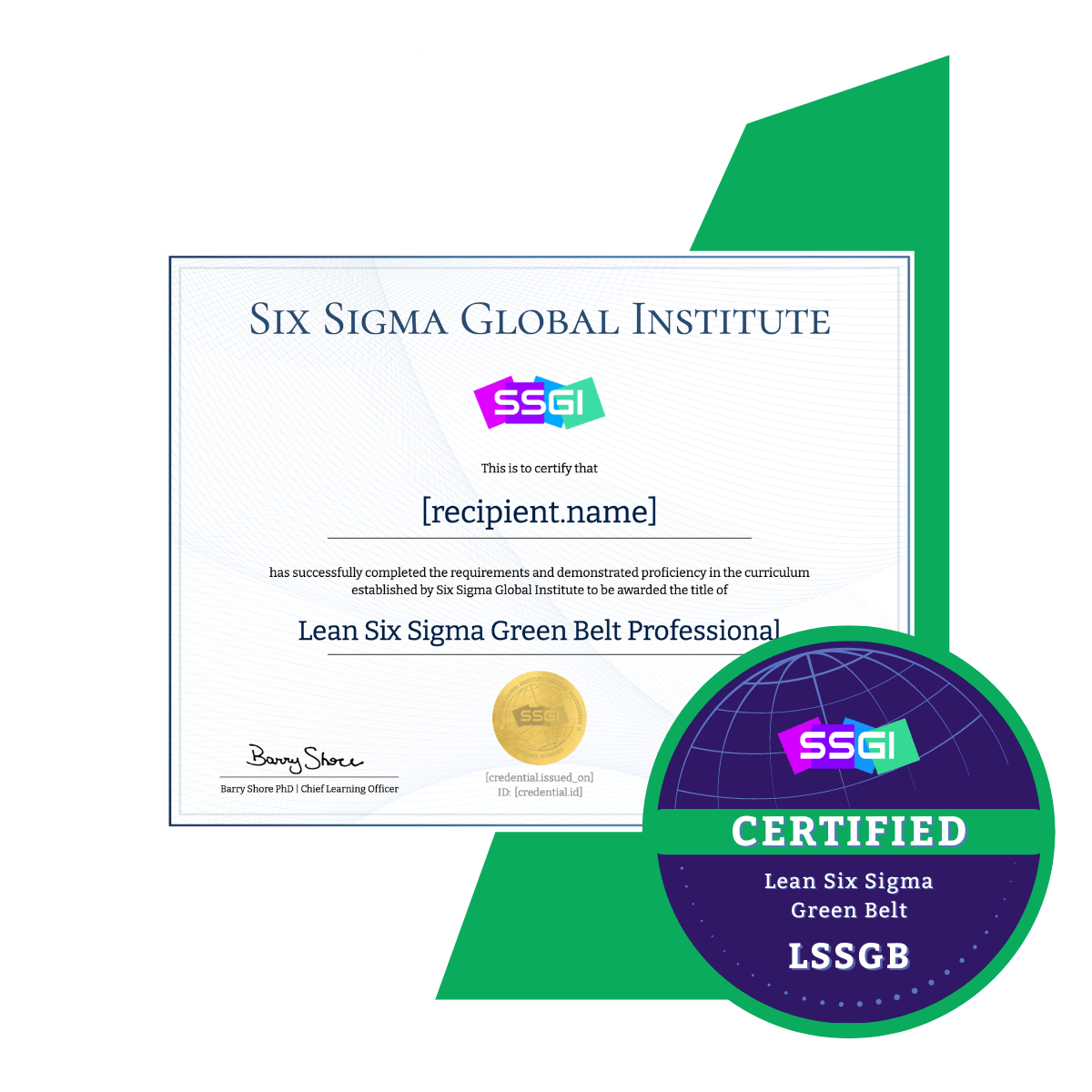
Green Belt Training & Certification for Food & Beverage Professionals
Best for: Production supervisors, quality managers, process engineers, CI specialists, maintenance leads, and mid-level professionals responsible for improving food safety, throughput, and plant performance.
Overview:
The Green Belt certification prepares professionals to lead structured improvement projects within food and beverage operations. Green Belts use data, process mapping, and root-cause tools to reduce defects, minimize downtime, and improve line performance while supporting compliance with food safety and regulatory standards.
After completing the Green Belt, professionals can:
✅ Apply Lean Six Sigma tools directly to food manufacturing, beverage processing, packaging, and sanitation operations.
✅ Lead projects that reduce waste (scrap, giveaways, overfill, rework) and increase yield.
✅ Use SPC and data analysis to identify variation affecting product consistency and regulatory compliance.
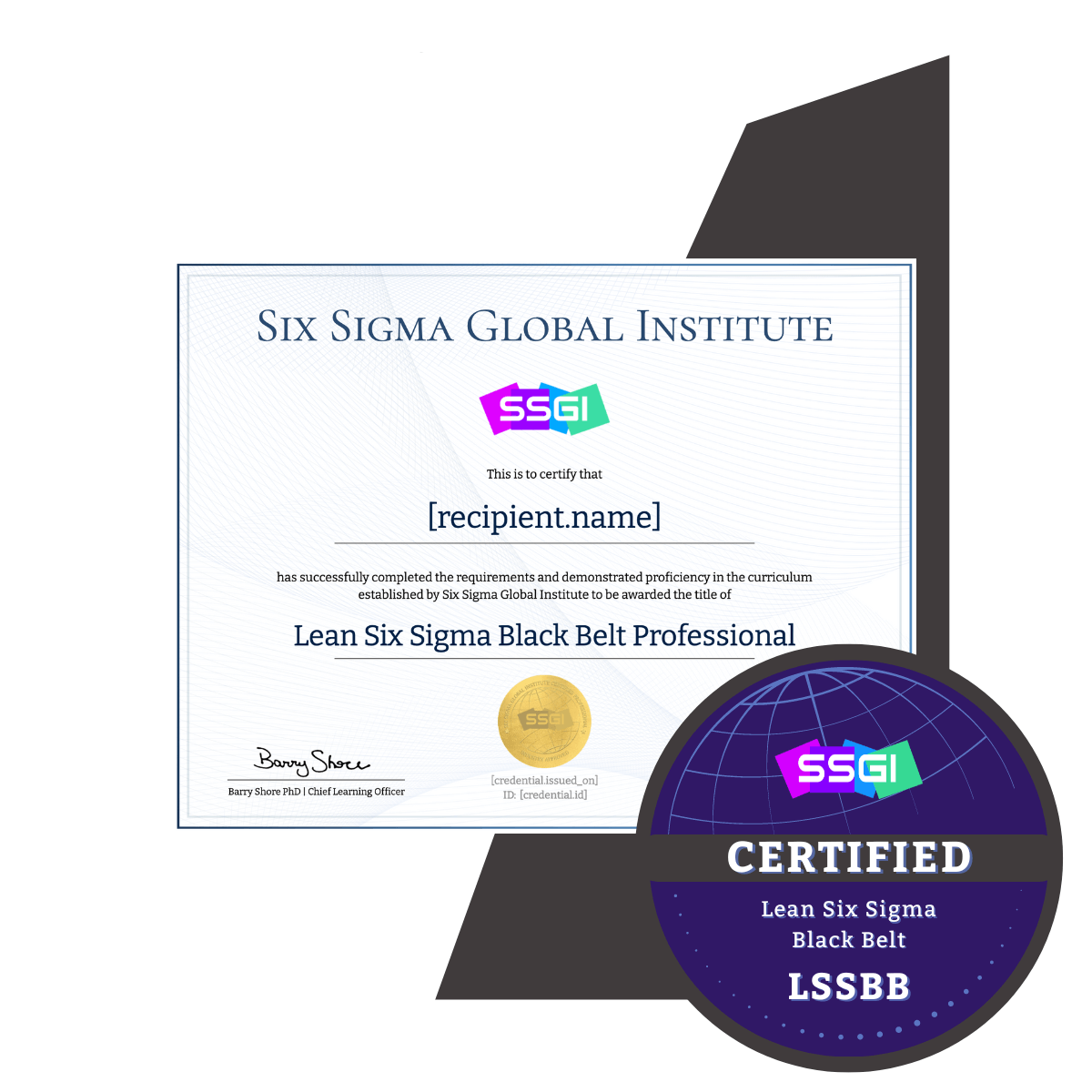
Black Belt Training & Certification for Food & Beverage Professionals
Best for: Senior process engineers, plant managers, operations directors, quality leaders, CI managers, and professionals responsible for large-scale performance improvement across food production, beverage processing, packaging, and distribution.
Overview:
Black Belt–certified professionals lead high-impact, cross-functional improvement initiatives that strengthen operational excellence across food and beverage facilities. This certification is ideal for leaders seeking to improve throughput, food safety compliance, quality consistency, resource utilization, and overall plant profitability.
After completing the Black Belt, professionals can:
✅ Master advanced statistical analysis, DOE, root-cause methodologies, and leadership techniques tailored to food and beverage operations.
✅ Lead complex process improvement projects that reduce variation, defects, waste, and unplanned downtime.
✅ Increase OEE by optimizing line balance, resolving bottlenecks, and improving equipment reliability.
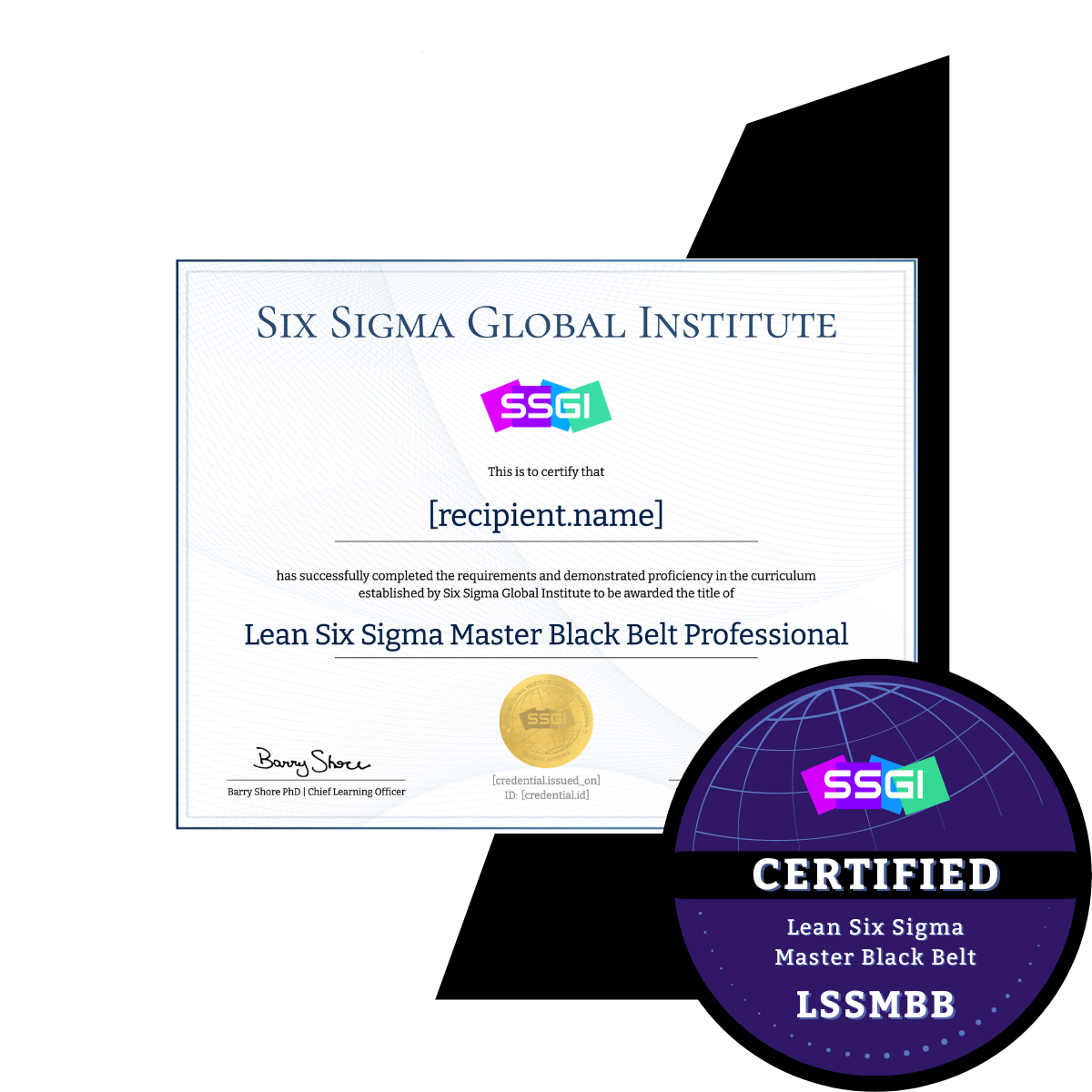
Master Black Belt Training & Certification for Food & Beverage Professionals
Best for: Senior executives, plant directors, operations leaders, CI strategists, and professionals responsible for large-scale transformation across multiple manufacturing sites or business units.
Overview:
The Master Black Belt certification represents the highest level of Lean Six Sigma expertise, equipping leaders to drive enterprise-wide operational excellence. Master Black Belts act as strategic advisors, mentors, and coaches—ensuring improvement initiatives align with organizational goals, deliver measurable ROI, and sustain long-term performance gains across manufacturing operations.
Master Black Belts are trained to:
✅ Coach and mentor Green Belts, Black Belts, and cross-functional teams across production facilities.
✅ Develop, deploy, and oversee large-scale quality and efficiency programs across plants.
✅ Build a culture of continuous improvement that drives consistency, scalability, and operational readiness.










Lean Six Sigma in Food & Beverage FAQs
Is Lean Six Sigma useful in the food & beverage industry?
Yes. Lean Six Sigma is widely used in food manufacturing, packaging, food service, hospitality, and beverage production. It reduces waste, prevents safety risks, improves consistency, and strengthens compliance.
Do I need a special food & beverage-specific Lean Six Sigma certification?
No, a standard Lean Six Sigma certification (Yellow, Green, or Black Belt) is fully applicable. What matters is your ability to apply the tools to industry processes.
What Lean Six Sigma projects apply to food service or kitchens?
Examples include reducing service times, improving order accuracy, stabilizing portion sizes, reducing waste, improving sanitation efficiency, and improving customer satisfaction metrics.
What Lean Six Sigma tools help with food safety?
Common tools include SPC, control charts, process mapping, root-cause analysis, standard work, mistake-proofing, and compliance-focused process audits.
What belt level is best for food & beverage professionals?
Green Belt is the most common starting point, especially for QA, production, CI, and supervisor-level roles. Yellow Belt is ideal for team members. Black Belt is valuable for leadership and CI roles.
What are examples of Lean Six Sigma projects in food service?
Lean Six Sigma can be applied across every area of food production, packaging, and service operations. Common project examples include:
• Reducing food waste by analyzing portion sizes, prep yields, spoilage, and storage issues.
• Improving product consistency across batches by reducing variation in mixing, cooking, blending, or formulation processes.
• Decreasing customer complaints related to taste, temperature, packaging, or delivery errors.
• Increasing throughput by identifying bottlenecks on production lines or in kitchen prep workflows.
• Improving labeling and packaging accuracy to prevent misprints, allergen issues, and regulatory violations.
• Strengthening food safety controls by reducing human error at critical control points (CCPs) and tightening SOP adherence.
• Reducing equipment downtime through root-cause analysis of cleaning cycles, changeovers, or frequent machine failures.
• Optimizing inventory and supply chain to prevent shortages, overproduction, and expired raw materials.
• Improving cold-chain reliability to maintain proper temperature control during storage and distribution.
These projects help food service and food manufacturing teams improve quality, safety, efficiency, and customer satisfaction — all while reducing cost and waste.
Will a standard Lean Six Sigma Green Belt help in Food & Beverage roles?
Yes, a standard Lean Six Sigma Green Belt is highly valuable in Food & Beverage roles.
Even though the certification is not industry-specific, the tools and methods taught in a Green Belt program directly apply to the challenges found in food production, packaging, safety, and service operations.
A Green Belt helps professionals:
• Reduce defects and variation in batching, mixing, cooking, or filling processes
• Improve product consistency across shifts, lines, and facilities
• Strengthen food safety systems by improving SOPs, CCP controls, and audit readiness
• Eliminate waste related to overproduction, scrap, rework, downtime, and spoilage
• Improve process flow and throughput in bottling, packaging, and distribution
• Solve recurring problems using root-cause analysis and data-driven decision-making
• Lead improvement projects that reduce cost and increase efficiency
Food & Beverage organizations rely heavily on consistency, safety, and speed, and Green Belt skills align directly with these operational priorities.
For most professionals in the industry, a standard Lean Six Sigma Green Belt provides all the knowledge needed to drive meaningful, measurable improvements.
How do Lean and Six Sigma improve food safety and compliance?
Lean and Six Sigma strengthen food safety and regulatory compliance by improving the reliability, consistency, and control of every step in the production process. These methodologies help organizations build systems that prevent errors instead of reacting to them.
Here’s how they make an impact:
• Strengthen HACCP and CCP controls
Improve monitoring, reduce human error, and tighten procedures around critical control points.
• Improve SOP adherence
Standardized processes reduce variation in how tasks are performed across shifts, lines, or facilities.
• Reduce contamination risks
Root-cause analysis helps eliminate the conditions that allow foreign materials, pathogens, or allergen cross-contact.
• Enhance audit readiness
Better documentation, process controls, and preventive actions make FDA, USDA, SQF, and BRC audits more predictable.
• Reduce labeling and allergen errors
Improving workflow, checks, and verification minimizes mislabeling — a major cause of recalls.
• Increase equipment and sanitation reliability
Lean helps optimize cleaning cycles, changeovers, and sanitation workflows to ensure consistent, validated results.
• Build a culture of preventive food safety
Teams learn to identify risks early, communicate issues quickly, and correct problems before they escalate.
By reducing variation, improving process control, and removing root causes of failure, Lean and Six Sigma help food and beverage organizations maintain stronger safety systems and comply with industry regulations more efficiently and consistently.