
SIX SIGMA CERTIFICATION IN SUPPLY CHAIN & LOGISTICS: Benefits, Jobs & Career Impact
In supply chain and logistics, even minor inefficiencies can lead to major delays, excess costs, and dissatisfied customers. Six Sigma provides professionals with the tools to analyze data, reduce process variation, and build more reliable, efficient, and resilient operations — from procurement to delivery.
At SSGI, our online Six Sigma Certification programs, developed by McGraw-Hill award-winning professor Dr. Barry Shore, help supply chain and logistics professionals streamline workflows, eliminate waste, improve quality, and enhance visibility across the entire supply chain network.

HOW SIX SIGMA TRANSFORMS SUPPLY CHAIN & LOGISTICS OPERATIONS
Across the global supply chain and logistics sector, organizations use Lean Six Sigma to eliminate inefficiencies, reduce costs, and improve performance at every stage — from sourcing and production to distribution and customer delivery. By combining data-driven analysis with continuous improvement principles, teams can pinpoint bottlenecks, minimize waste, and optimize flow throughout the entire value chain.
From manufacturing and warehousing to transportation and last-mile delivery, Six Sigma empowers organizations to improve on-time performance, enhance quality, and make smarter, data-backed decisions. The result is a culture of operational excellence that drives reliability, agility, and long-term competitive advantage in an increasingly complex supply chain environment.

Why Choose SSGI for Financial Certification
Industry-Trusted, Expert-Led Training
At SSGI, we specialize in professional certifications designed for real-world application. Our programs are trusted by over 1,000 leading corporations—including Tesla, Walmart, Disney, and GE—and are used to train teams at every level of the logistics and supply chain process.
Best Value for Industry-Leading Training
SSGI provides all-inclusive pricing with no surprise fees for exams, retakes, or certification renewals. Plus, our training is developed by Dr. Barry Shore, a McGraw-Hill award-winning professor.
Accredited by PMI, SHRM, and CPD
SSGI certifications meet the highest industry standards, ensuring global recognition for professionals in supply chain and logistics sectors. Also earn professional credits like PDUs and CEUs.
Trusted by Supply Chain & Logistics Leaders
Our clients include some of the biggest names in Supply Chain and Logistics such as Amazon, UPS, Fedex, and Maersk. SSGI’s Lean Six Sigma certifications are trusted and recognized across the supply chain industry for developing leaders in quality and operational excellence.
Certifications That Never Expire
Once certified with SSGI, your credential lasts for life—no renewal fees, no expiration, and no hidden costs.
100,000+ Certified Professionals & $500M in Cost Savings
SSGI graduates have successfully led cost-cutting, process optimization, and efficiency-improving initiatives, generating over $500M in savings for organizations worldwide.

Prof. Barry Shore PhD | SSGI Founder
Dr. Barry Shore | Expert Instructor
Dr. Barry Shore, a globally recognized expert in operations management, brings over 40 years of experience to Lean Six Sigma training. As a McGraw-Hill award-winning author and professor emeritus, his groundbreaking work has empowered professionals from Fortune 500 companies, government agencies, and leading organizations worldwide.
Industry Recognized Accreditations | Baldrige Foundation Partner | #1 in Process Improvement for the Supply Chain Industry

SSGI is trusted by leading Supply Chain organizations around the world.






Top Reasons Why You Should Get Six Sigma Certification in Supply Chain & Logistics
Increase Career & Salary Potential
In the supply chain and logistics industry, Six Sigma certification is one of the most valuable career credentials for professionals focused on efficiency, quality, and process optimization. Certified Six Sigma professionals in supply chain roles earn $90K+ on average and are trusted to lead initiatives that reduce costs, improve delivery performance, and enhance reliability across global operations.
By applying Six Sigma principles, supply chain leaders drive measurable improvements in productivity, inventory accuracy, and customer satisfaction — making them indispensable assets in today’s competitive logistics environment.
Improve Quality
Organizations in the supply chain and logistics sector rely on precision, efficiency, and consistency to deliver products on time and at the right cost. Six Sigma methodologies help eliminate process waste, streamline workflows, and ensure quality and reliability are built into every stage of the supply chain.
Lean Six Sigma initiatives in supply chain management have helped organizations reduce lead times, minimize inventory waste, lower logistics costs, and achieve operational excellence across the entire value chain — from procurement to final delivery.
Cut Cost & Reduce Waste
In supply chain and logistics, inefficiencies directly impact delivery performance, cost, and customer satisfaction. Six Sigma’s structured approach to process improvement helps identify root causes of delays and defects, reduce variation across operations, and ensure every process contributes to greater efficiency, speed, and overall supply chain reliability.
Strengthen Leadership & Culture
Organizations that implement Six Sigma in supply chain and logistics foster a data-driven, problem-solving culture across every level of their workforce. This methodology empowers teams to identify the root causes of inefficiencies, make evidence-based decisions, and continuously optimize workflows across production, warehousing, and distribution — resulting in greater efficiency, reduced costs, and sustained competitiveness in a rapidly evolving global marketplace.
Improve Customer Satisfaction
Supply chain and logistics organizations manage thousands of moving parts every day, making operational efficiency essential for accuracy, cost control, and customer satisfaction. Six Sigma strengthens supply chain systems by reducing process variation, improving lead times, and ensuring consistent, high-quality performance — resulting in greater reliability, transparency, and trust among partners, customers, and stakeholders.
SIX SIGMA CERTIFICATION IN SUPPLY CHAIN & LOGISTICS: JOB OPPORTUNITIES & SALARY INSIGHTS
Six Sigma-certified professionals are in high demand across the supply chain and logistics industry, where efficiency, precision, and consistency directly impact profitability and customer satisfaction. Organizations across manufacturing, transportation, and distribution actively seek experts who can streamline operations, eliminate waste, and enhance data-driven decision-making.
With Six Sigma certification, professionals gain the ability to analyze complex workflows, reduce variation, and improve supply chain performance — skills that are highly valued in roles such as operations management, logistics coordination, procurement, and process improvement.
As an official Baldrige Foundation partner, the organization behind the Malcolm Baldrige National Quality Awardpresented annually by the President of the United States, SSGI aligns its certifications with the highest standards of process excellence.
Our programs are trusted by leading organizations including Amazon, Tesla, GE, and Brigham and Women’s Hospital, as well as professionals across the global supply chain, logistics, and manufacturing sectors.

Who Hires Six Sigma-Certified Professionals in Supply Chain & Logistics?
Organizations across the global supply chain and logistics industry actively recruit Six Sigma-certified professionals to lead efficiency, quality, and continuous improvement initiatives.
Manufacturing Companies:
Process optimization, production efficiency, and defect reduction across manufacturing lines and assembly operations.
Logistics & Transportation Providers:
Route optimization, on-time delivery improvement, and waste elimination in shipping, freight, and last-mile delivery.
Warehousing & Distribution Centers:
Inventory accuracy, order fulfillment speed, and space utilization through Lean process redesign.
Retail & E-Commerce Companies:
Supply chain visibility, demand forecasting accuracy, and fulfillment efficiency for customer satisfaction and cost control.
Procurement & Sourcing Teams:
Vendor performance improvement, contract compliance, and total cost reduction through data-driven supplier management.
Overview of Six Sigma Certification in Supply Chain & Logistics
Modern supply chain and logistics operations function in a fast-paced, globally connected environment where efficiency, precision, and data-driven decision-making are critical for success. Six Sigma certification equips professionals at all levels with the skills to eliminate waste, reduce process variation, and improve quality — core principles for achieving operational excellence in supply chain management.
At SSGI, we offer a comprehensive range of Lean Six Sigma certification programs that help organizations optimize workflows, reduce costs, and build a culture of continuous improvement across procurement, manufacturing, logistics, and distribution.
Our courses provide practical, industry-relevant training aligned with real-world challenges in supply chain and logistics — from improving supplier performance and production flow to increasing inventory accuracy and on-time delivery rates.

Recommended Programs
Choose the Right Certification for Your Supply Chain & Logistics Career
Many professionals in the supply chain and logistics field pursue multiple Belt levels to gain a complete understanding of Lean Six Sigma methodologies and apply them to process optimization, quality improvement, and cost reduction initiatives.
Six Sigma certification in supply chain follows a tiered approach, similar to martial arts rankings, progressing from foundational knowledge to advanced leadership expertise. Each level is designed to help professionals strengthen their analytical, problem-solving, and decision-making skills — critical for improving efficiency, reducing waste, and driving performance across manufacturing, logistics, and distribution operations.
🟡 Yellow Belt – Ideal for beginners.
🟢 Green Belt – Designed for mid-level professionals.
⚫ Black Belt – For supply chain/logistics leaders.
🏆 Master Black Belt – The highest level, for experts.
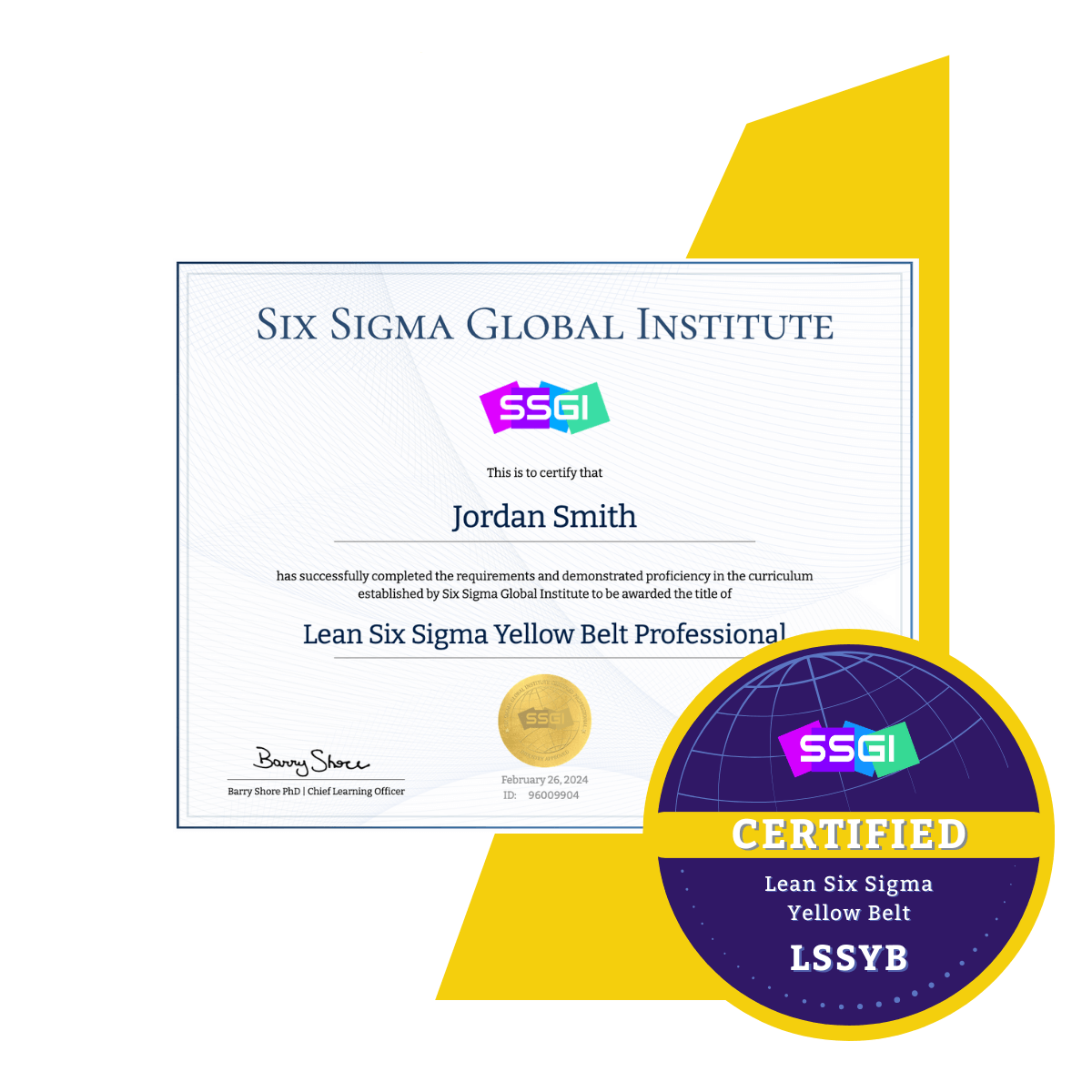
Yellow Belt Training & Certification Supply Chain & Logistics Professionals
Best for: Operations associates, logistics coordinators, and team members involved in process improvement and quality initiatives within supply chain or logistics functions.
Overview: The Yellow Belt certification provides foundational knowledge of Lean Six Sigma principles, enabling professionals to identify inefficiencies, reduce errors, and support process optimization across supply chain and logistics operations.
✅ Gain introductory training in Lean Six Sigma methodology.
✅ Learn to identify and eliminate waste in production, warehousing, and transportation processes.
✅ Support Green and Black Belts in projects that improve efficiency, accuracy, and delivery performance.
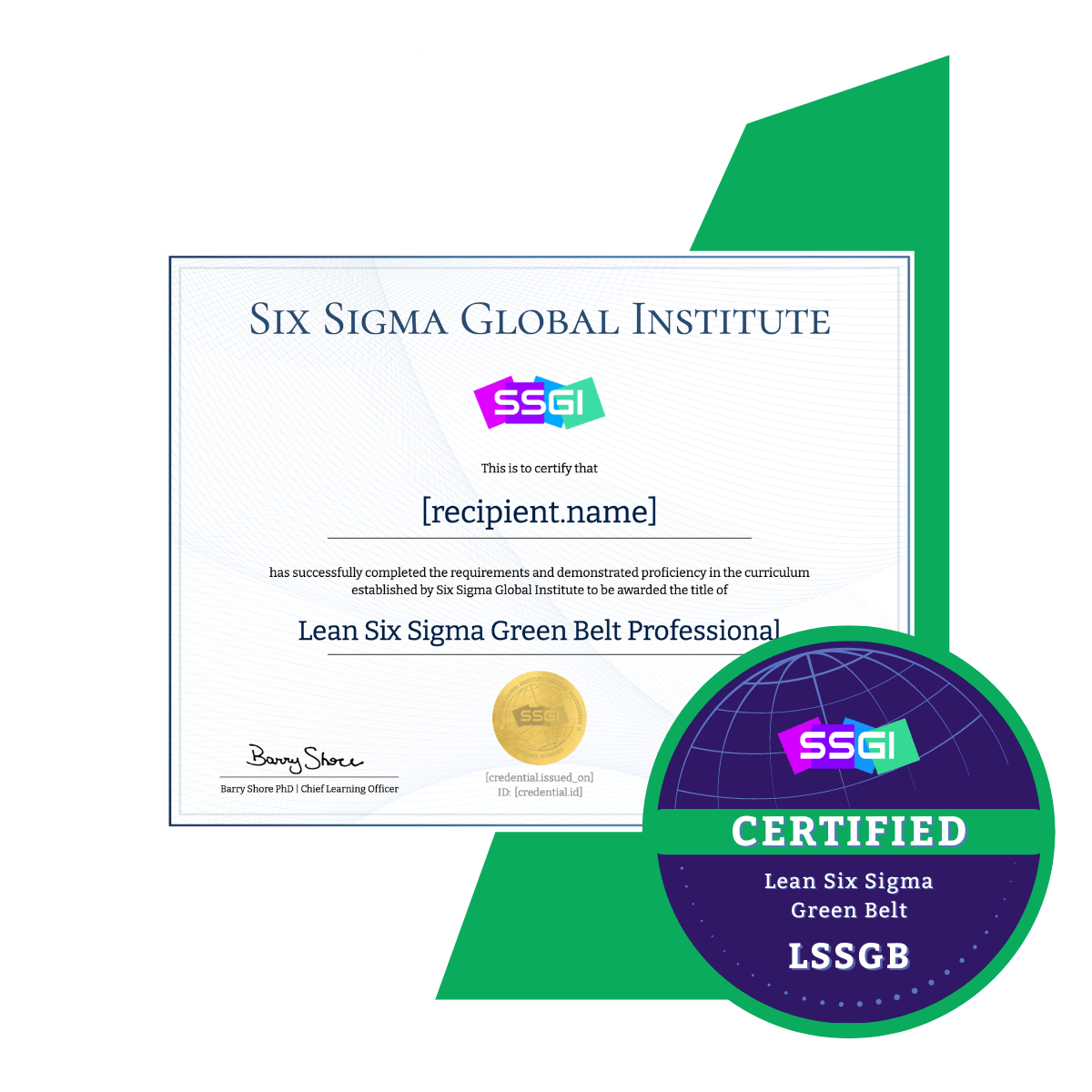
Green Belt Training & Certification for Supply Chain & Logistics Professionals
Best for: Operations managers, supply chain analysts, logistics specialists, and mid-level professionals leading process improvement and quality initiatives.
Overview: The Green Belt certification equips professionals to lead process improvement projects within supply chain and logistics environments. Green Belts collaborate with Black Belts to implement data-driven solutions that reduce waste, improve efficiency, and enhance reliability across operations.
✅ Learn how to apply Six Sigma methodologies in supply chain and logistics processes.
✅ Gain hands-on skills in project management, data analysis, and process control.
✅ Eliminate bottlenecks, improve lead times, and strengthen performance across procurement, production, and distribution workflows.
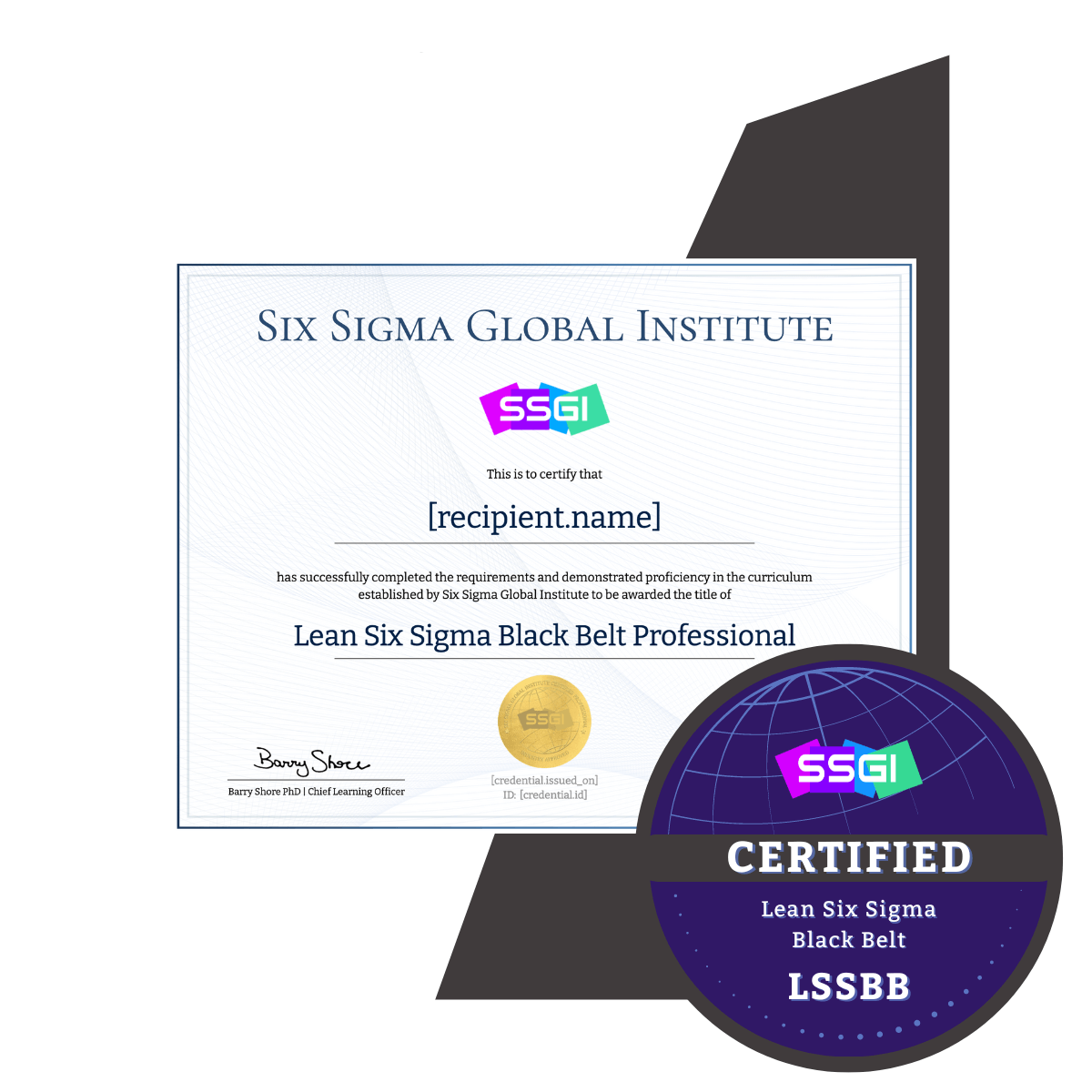
Black Belt Training & Certification for Supply Chain & Logistics Professionals
Best for: Senior managers, directors of operations, supply chain leaders, and executives responsible for driving organizational efficiency and performance.
Overview: Black Belt-certified professionals lead large-scale process improvement and transformation initiatives across supply chain and logistics networks. The Black Belt certification is ideal for professionals aiming to enhance productivity, reduce costs, and strengthen quality through data-driven decision-making and strategic leadership.
✅ Master advanced problem-solving, data analysis, and leadership techniques.
✅ Lead cross-functional projects that reduce waste, improve quality, and optimize end-to-end supply chain performance.
✅ Implement strategies to increase efficiency, streamline operations, and drive measurable results across manufacturing, logistics, and distribution.
Master Black Belt Training & Certification for Supply Chain & Logistics Professionals
Best for: Senior executives, operations leaders, transformation directors, and process excellence strategists.
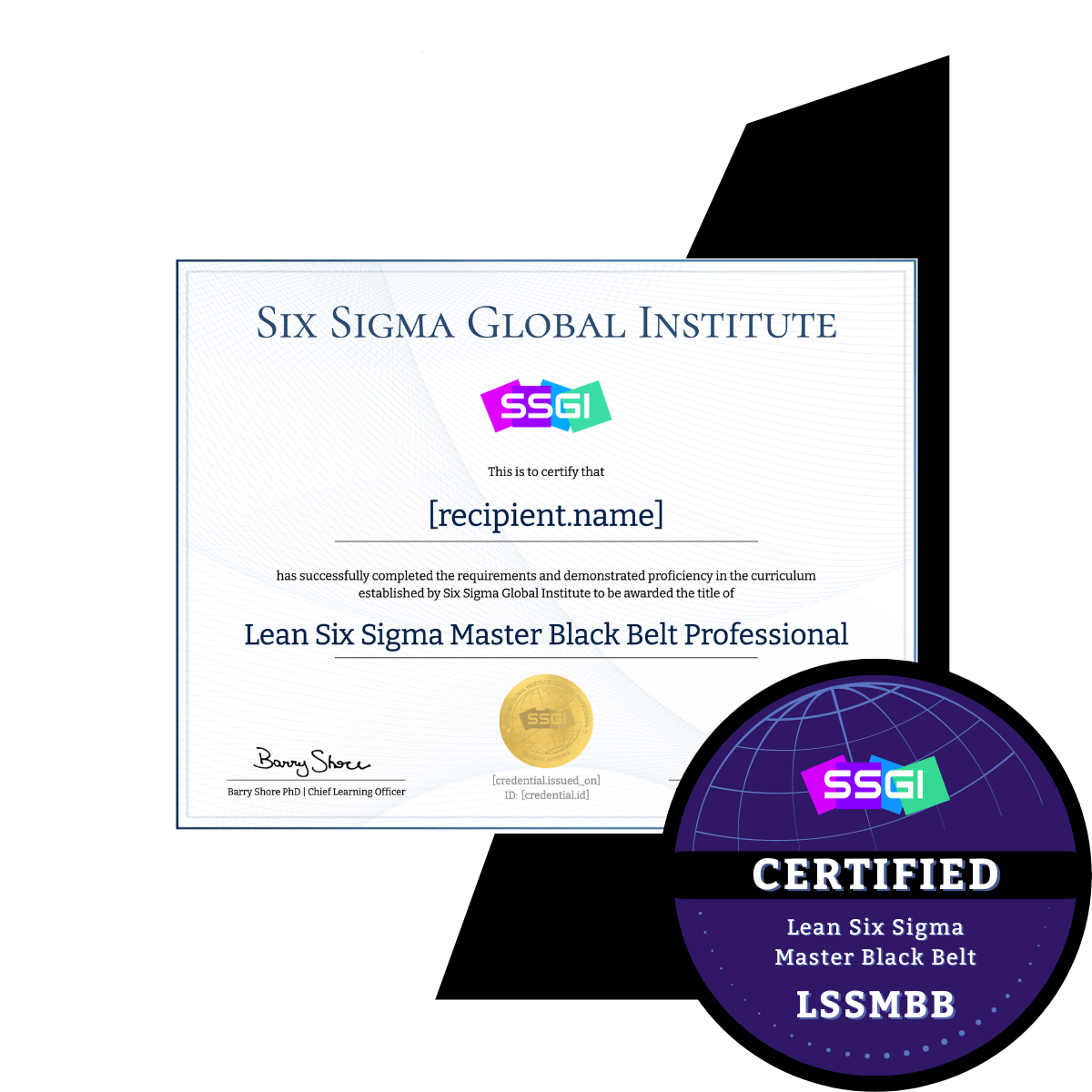
Overview: The Master Black Belt certification represents the highest level of Six Sigma expertise, empowering professionals to lead enterprise-wide improvement and transformation initiatives across supply chain and logistics operations. Master Black Belts serve as mentors, coaches, and strategic advisors, ensuring all process improvement efforts align with organizational goals, customer expectations, and long-term operational strategy.
✅ Coach and mentor Six Sigma teams across manufacturing, logistics, and distribution functions.
✅ Design and oversee large-scale quality, cost reduction, and efficiency initiatives.
✅ Drive sustainable performance improvement and operational excellence across the global supply chain.







Lean Six Sigma in Supply Chain & Logistics FAQs
What is Six Sigma in Supply Chain and Logistics?
Six Sigma in supply chain and logistics is a data-driven methodology used to improve process efficiency, reduce waste, and enhance quality across all stages of operations, from procurement and production to warehousing and delivery. By analyzing process data and eliminating variation, organizations achieve higher accuracy, faster delivery times, and stronger customer satisfaction.
How does Six Sigma improve supply chain efficiency?
Six Sigma improves supply chain efficiency by identifying the root causes of delays, errors, and bottlenecks. Through tools like DMAIC (Define, Measure, Analyze, Improve, Control), professionals can standardize workflows, optimize inventory levels, and reduce operational costs while ensuring consistency and reliability throughout the supply chain.
Which Six Sigma certification is best for supply chain professionals?
The best Six Sigma certification for supply chain professionals depends on career level and responsibilities.
Yellow Belt is ideal for beginners supporting process improvement initiatives.
Green Belt suits mid-level managers leading project-based improvements.
Black Belt and Master Black Belt certifications are designed for senior leaders driving large-scale transformation and strategic optimization across global supply chains.
What are examples of Six Sigma projects in logistics?
Common Six Sigma projects in logistics include reducing shipment delays, improving order accuracy, optimizing warehouse layout, and lowering transportation costs. Many organizations also use Six Sigma to enhance demand forecasting, supplier performance, and overall customer fulfillment efficiency.
How much do Six Sigma-certified supply chain professionals earn?
On average, Six Sigma-certified supply chain professionals earn $90,000 or more per year, depending on experience level and certification. Green Belts and Black Belts in logistics and operations often command higher salaries due to their expertise in process optimization, cost reduction, and data-driven decision-making.
What is the difference between Lean and Six Sigma in supply chain?
Lean focuses on eliminating waste and improving process flow to create faster, more efficient operations, while Six Sigma emphasizes reducing variation and defects through data-driven analysis and statistical tools.
In supply chain management, the two approaches are highly complementary:
Lean helps shorten lead times, optimize inventory, and eliminate non–value-added steps.
Six Sigma ensures consistency, accuracy, and quality across complex processes.
Together, Lean Six Sigma provides a comprehensive framework for achieving operational excellence, maximizing speed, reliability, and customer satisfaction across the entire supply chain.
What skills do you gain with Six Sigma certification in logistics?
Six Sigma certification builds valuable skills including data analysis, process mapping, problem-solving, project management, and quality control. These skills enable logistics professionals to identify inefficiencies, design solutions, and sustain long-term performance improvements.
Do you need prior experience in supply chain management to get certified?
No prior experience is required to begin Six Sigma training. The concepts are taught in a structured way, allowing both beginners and experienced professionals to apply the principles effectively in logistics and operations environments.
What are the career benefits of Six Sigma for logistics professionals?
Six Sigma-certified logistics professionals gain a competitive advantage through improved analytical, leadership, and process improvement skills. These credentials can lead to promotions, higher salaries, and greater influence in strategic decision-making within supply chain operations.
Is Six Sigma still relevant in modern supply chain management?
Yes — Six Sigma remains highly relevant as global supply chains become more complex. Its focus on data-driven decision-making and continuous improvement helps organizations reduce costs, improve reliability, and maintain resilience in a rapidly changing environment.
What industries hire Six Sigma-certified supply chain experts?
Industries that frequently hire Six Sigma-certified supply chain professionals include manufacturing, logistics, healthcare, automotive, aerospace, retail, technology, and consumer goods. These sectors rely on process excellence to improve quality, reduce costs, and increase customer satisfaction.
How do I start a career in process improvement or logistics optimization?
You can start by earning a Lean Six Sigma Yellow or Green Belt certification, which provides the foundational tools and techniques for process improvement. Gaining hands-on experience in logistics, operations, or quality management will further strengthen your career path.
Are SSGI’s Six Sigma certifications recognized internationally?
Yes. SSGI’s Lean Six Sigma certifications are recognized globally and trusted by leading organizations such as Amazon, Tesla, GE, and Brigham and Women’s Hospital. As an official Baldrige Foundation partner, SSGI aligns its certifications with the highest standards of quality and process excellence.